does shampoo kill lice Lice selsun kill shoulders denorex
In the realm of personal hygiene, one common question that often arises is whether shampoo can effectively kill germs. While shampoo is primarily designed to cleanse and nourish hair, its potential germ-killing properties have been a topic of interest for many individuals. In this article, we will explore the effectiveness of shampoo in eliminating germs and shed light on its role in maintaining hygiene.
Does Shampoo Kill Germs?
Many people wonder whether their shampoo can effectively kill germs and keep their scalp and hair clean and safe from microbial invaders. The truth is, while shampoos might not be specifically formulated or marketed as germ-killing agents, they can indeed help reduce the presence of some germs on the scalp and hair.
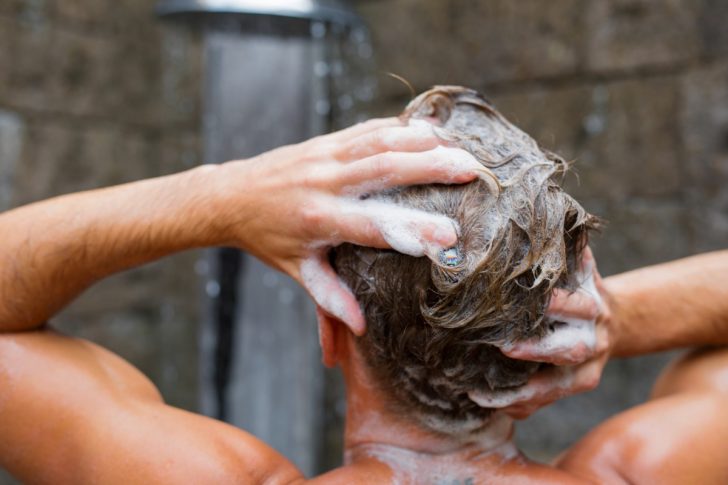 Shampooing involves a process of lathering, rinsing, and massaging the scalp, which aids in physically removing dirt, debris, and potentially harmful microorganisms. The act of massaging the scalp can also stimulate blood circulation, allowing nutrients to reach hair follicles, promoting healthy hair growth.
Moreover, the surfactants present in shampoos, such as sodium lauryl sulfate, play a vital role in cleansing. These surfactants have the ability to loosen and detach dirt particles, oils, and fungi from the hair and scalp, thereby reducing the microbial load.
While shampooing alone may not completely eliminate all germs, it is a crucial step in maintaining scalp and hair cleanliness. Additionally, regular shampooing can help prevent the buildup of dirt, oils, and dead skin cells, which can create a favorable environment for microbial growth.
The Importance of Proper Hygiene
Ensuring proper hygiene is essential for the overall health and well-being of individuals. It not only helps maintain a clean and presentable appearance but also aids in preventing the spread of infections and diseases.
By incorporating regular shampooing into their personal care routine, individuals can significantly reduce the potential risk of microbial contamination on the scalp and hair. This is particularly important in situations where one is exposed to environments that pose a higher risk of germ exposure, such as crowded public spaces or places with poor sanitation facilities.
Understanding Effective Shampooing Techniques
While shampooing is a common practice, it is crucial to understand the proper technique to ensure optimal hygiene benefits. Here are some key steps to keep in mind:
- Wet your hair and scalp thoroughly with warm water. This opens up the hair cuticles and allows the shampoo to penetrate effectively.
- Take an adequate amount of shampoo in your palms and lather it by rubbing your hands together. Apply the lather to your hair, focusing on the scalp.
- Gently massage the shampoo into your scalp using circular motions. This stimulates blood circulation and helps remove any dirt or grime.
- Rinse your hair thoroughly with warm water, ensuring that no shampoo residue remains.
- If necessary, repeat the process for a thorough cleanse.
- After shampooing, follow up with a suitable conditioner to nourish and moisturize your hair.
Conclusion
While shampoos are primarily designed for cleansing and nourishing hair, they can also play a role in reducing the presence of germs on the scalp and hair. The mechanical action of shampooing, combined with the surfactants present in shampoos, helps remove dirt, debris, and potentially harmful microorganisms.
However, it is important to note that shampooing alone cannot eliminate all germs. Regular shampooing, along with proper hygiene practices, such as washing hands regularly and maintaining cleanliness around oneself, is essential for overall hygiene and well-being.
 In a separate context, another question that arises is whether lice shampoo can effectively kill fleas. While lice shampoos are specifically designed to target lice infestations, they may not necessarily be effective in eradicating fleas.
Fleas and lice are two distinct types of parasites, and their biology and behaviors differ. Lice typically infest the scalp and hair, whereas fleas are commonly found on animals, such as dogs and cats, and can occasionally bite humans.
If you are dealing with a flea infestation, it is advisable to consult a veterinarian to explore suitable flea treatments for your pets and proper pest control measures for your home environment.
Remember, maintaining good personal hygiene and seeking appropriate professional advice when needed are critical steps in ensuring a clean and healthy environment for yourself and those around you.
If you are looking for Lice: Do Head & Shoulders, Denorex, Selsun Blue or T-Gel Kill Lice? you’ve visit to the right place. We have 5 Pictures about Lice: Do Head & Shoulders, Denorex, Selsun Blue or T-Gel Kill Lice? like Does Dry Shampoo Kill Lice? You Should Know - Women’s Beauty, Skin, Does Tea Tree Shampoo Kill Lice - LoveTeaClub.com and also Does Dry Shampoo Kill Lice? You Should Know - Women’s Beauty, Skin. Here you go:
Lice: Do Head & Shoulders, Denorex, Selsun Blue Or T-Gel Kill Lice?
 myliceadvice.comlice selsun kill shoulders denorex
Does Tea Tree Shampoo Kill Lice - LoveTeaClub.com
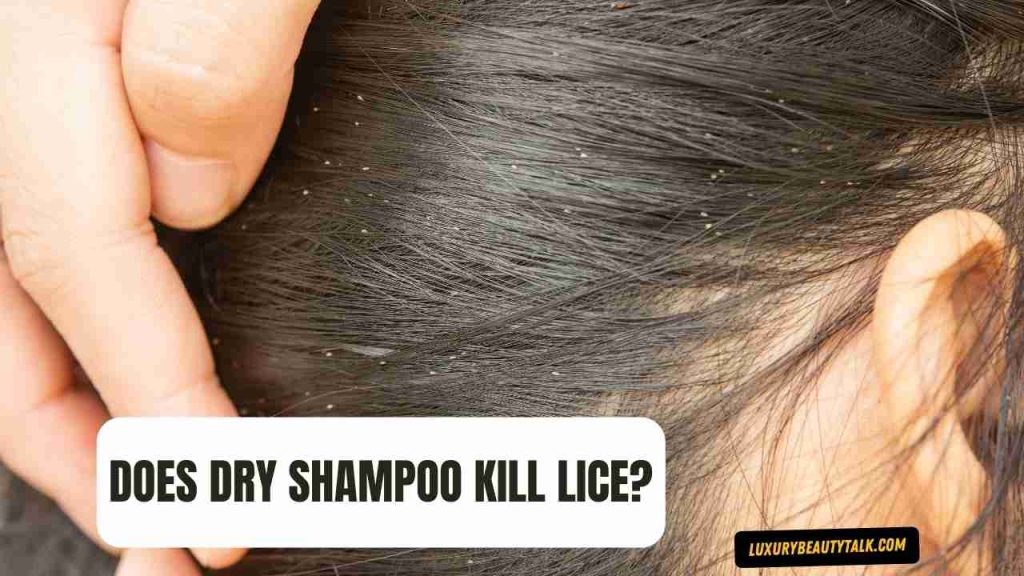
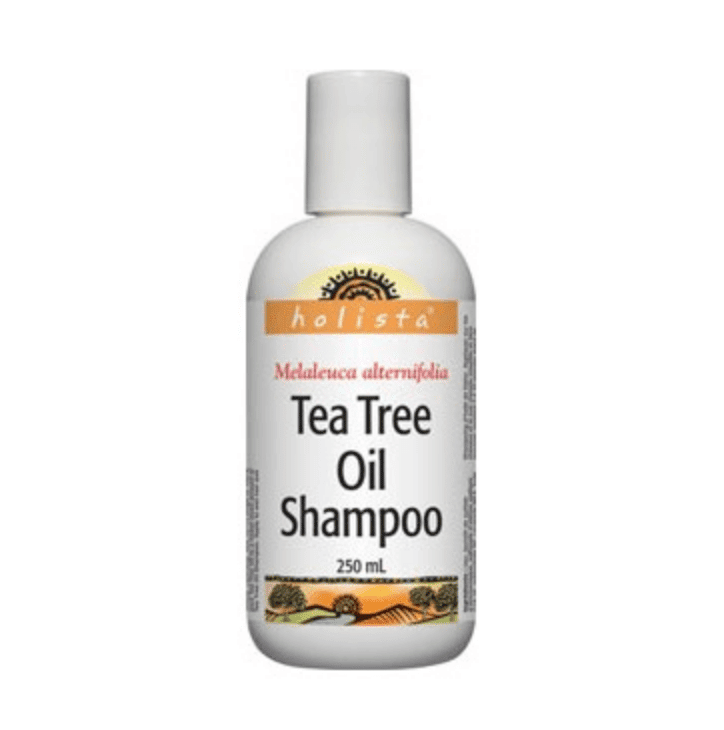 www.loveteaclub.comDoes Dry Shampoo Kill Lice? You Should Know - Women’s Beauty, Skin
 luxurybeautytalk.comDoes Lice Shampoo Kill Fleas? - Infomatives
www.infomatives.comDoes Shampoo Kill Germs?
hairinstructions.comcheveux bugs germs lavar rambut kondisioner lavage prenant douche often shampooing composting lavant tanta cuerpo frecuencia pakainya fungsi computerhoy hairinstructions
Does dry shampoo kill lice? you should know. Does tea tree shampoo kill lice. Lice selsun kill shoulders denorex